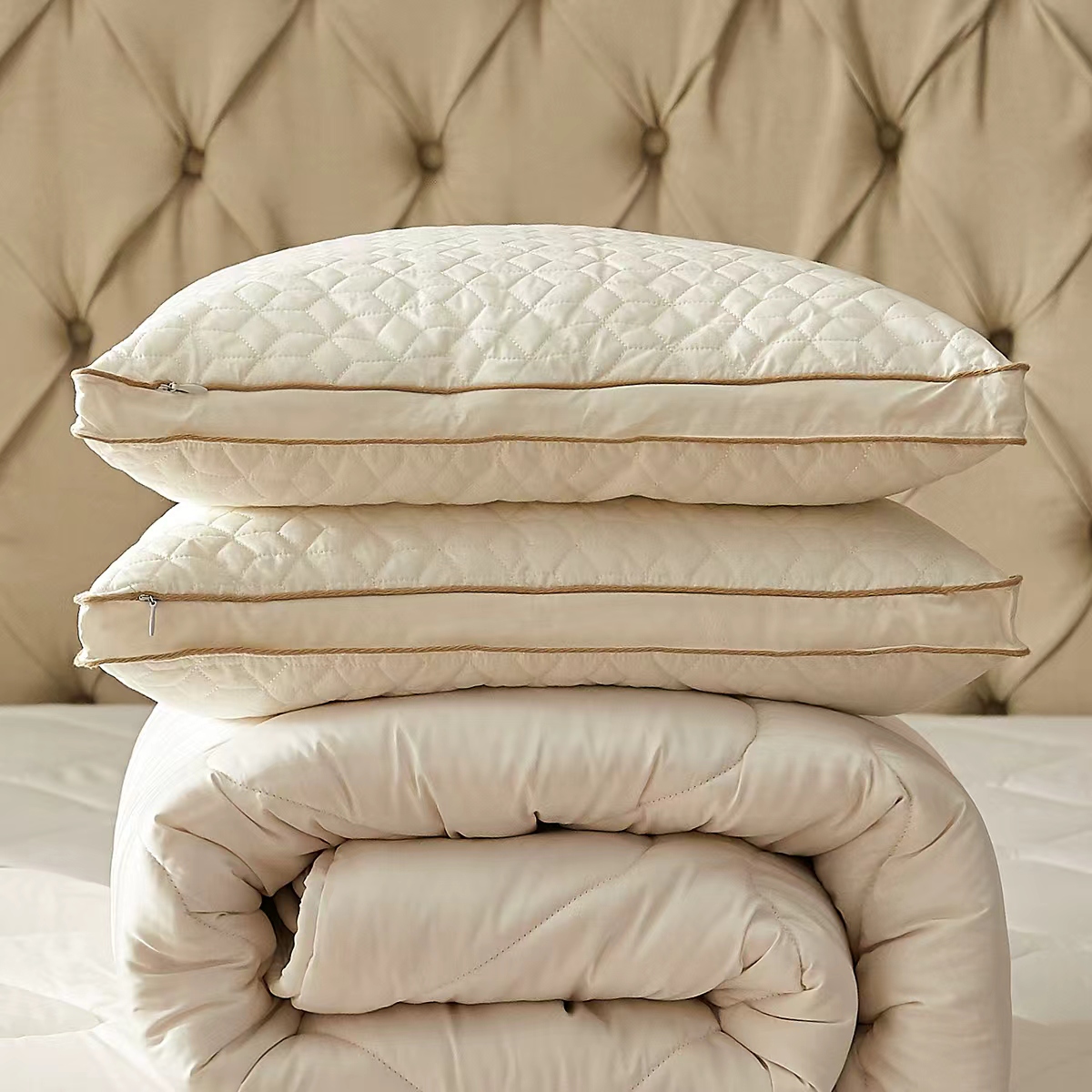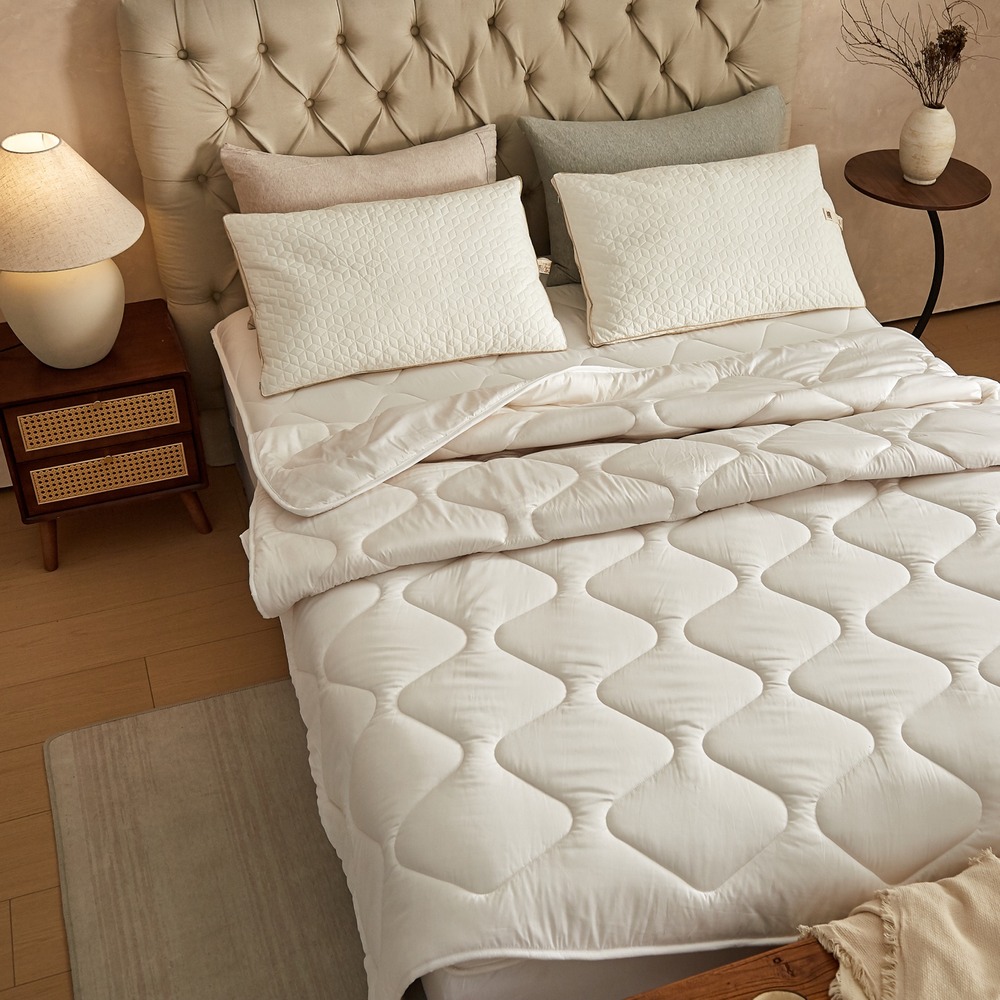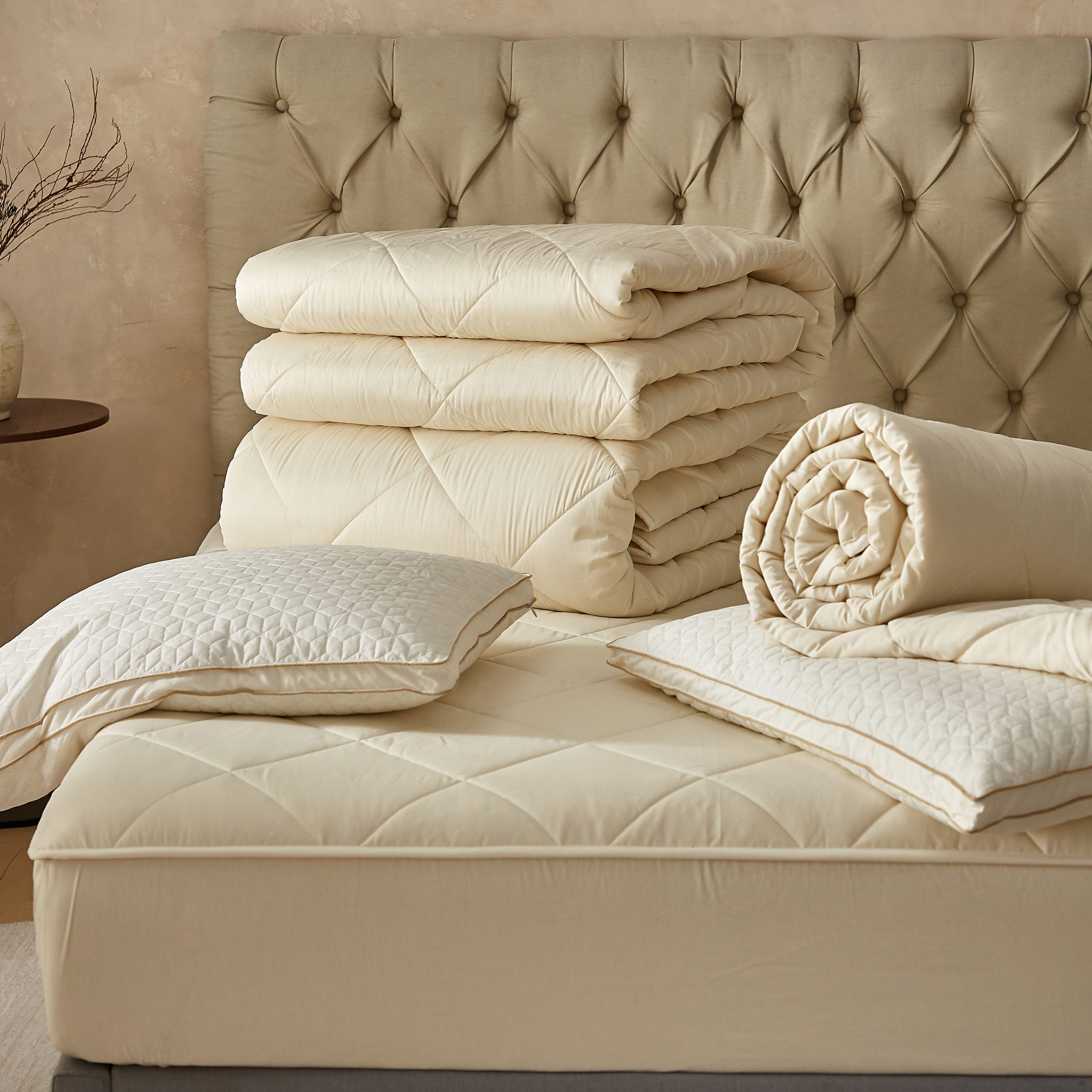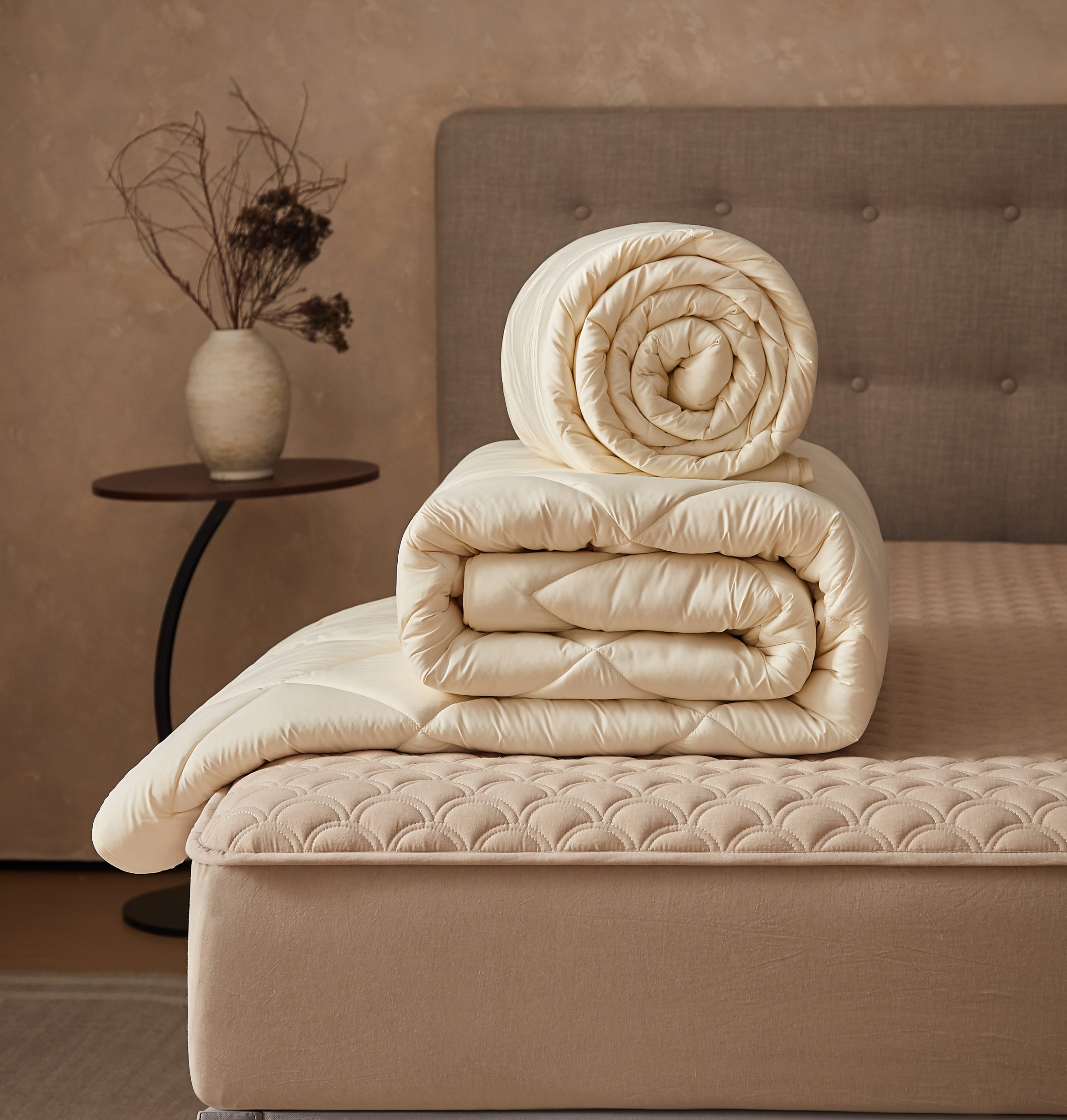

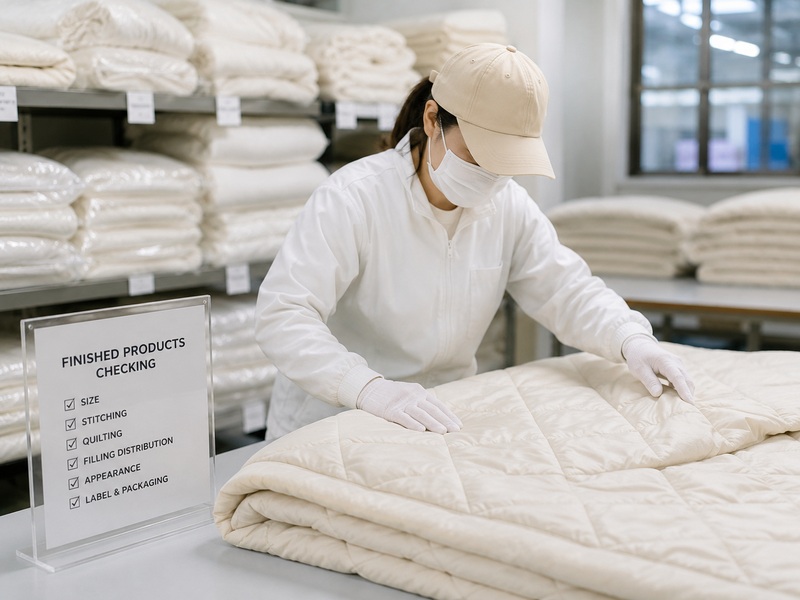
A wool comforter sample approval checklist helps wholesale buyers turn a sample review into clear production instructions. Before approving a private-label order, check the sample against an agreed specification sheet and record anything that needs to change.
A sample may look attractive while leaving important questions unresolved: Is the weight the total product weight or the filling weight? Is the packaging final? Has the care instruction been confirmed? Written answers make approval more useful for both the buyer and manufacturer.
Quick answer: review the sample’s identity, dimensions, shell, filling, quilting, finishing, labels and packaging. Record measurements and photos, resolve open points, and retain an approved reference sample. Sample approval establishes a reference; it does not replace bulk-production inspection or required product testing.
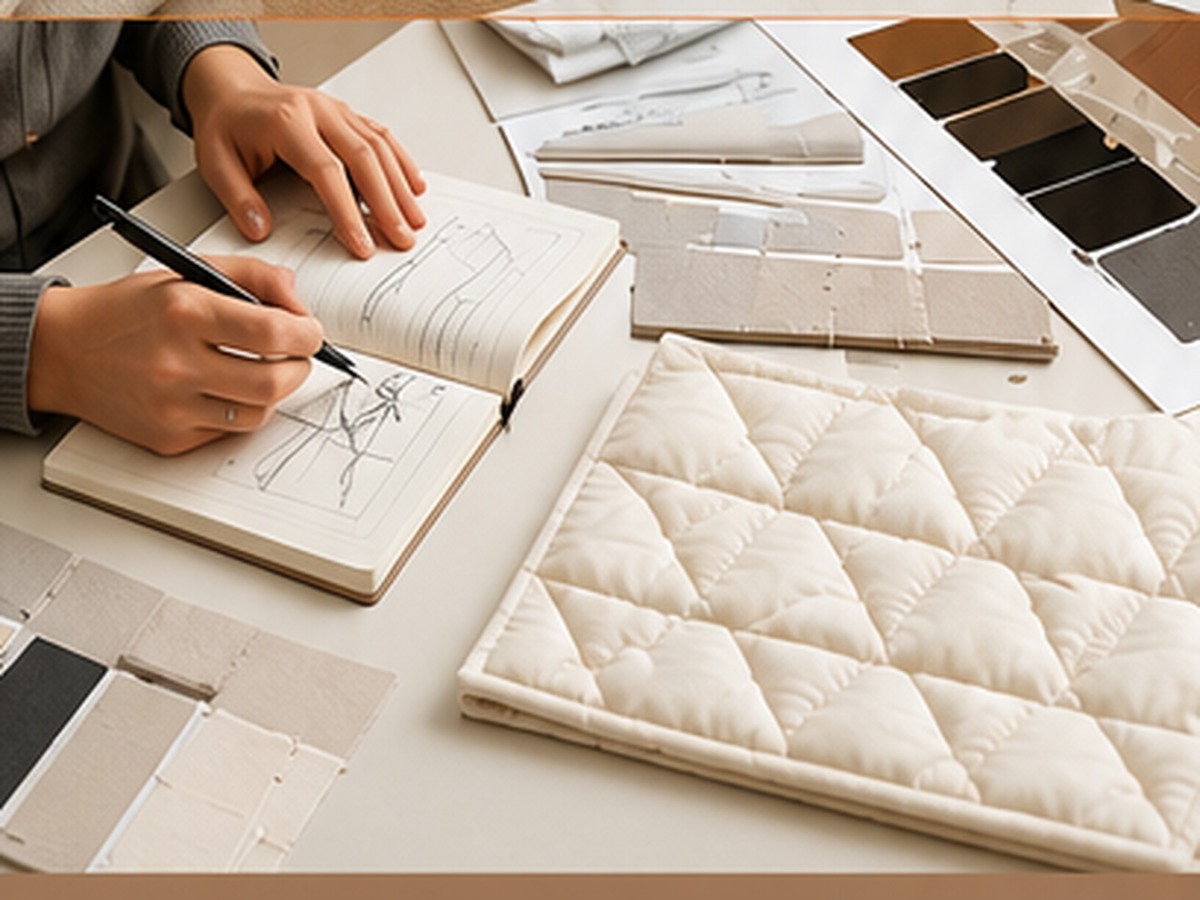
Start with the Right Sample and Specification Sheet
Confirm what kind of sample you are reviewing. A development sample may demonstrate the construction using available fabric, while a pre-production sample should be checked against the agreed requirements for the upcoming order. Ask which details represent bulk production and which are temporary.
Give the sample a unique reference, such as a style number and revision date. The specification sheet should identify:
- Finished size and agreed dimensional tolerance
- Shell fibre composition, fabric reference and colour
- Filling composition and nominal filling weight in g/m²
- Quilting pattern, edge finish and any corner loops
- Brand label, care label and packaging versions
- Any agreed testing, measurement methods and outstanding approvals
If a specification is missing, mark it as an open point rather than approving it by assumption.
Wool Comforter Sample Approval Checklist
Use the following table as a review worksheet. Add your required values, observations and photos in a separate approval record.
| Check | What to compare | What to record |
|---|---|---|
| Sample identity | Style, size and sample revision | Reference number and date received |
| Dimensions | Length and width against the specification | Measurements, method and agreed tolerance |
| Shell fabric | Material reference, colour, hand feel and appearance | Approved fabric reference and observations |
| Filling | Declared composition, filling weight and distribution | Supplier confirmation and verification method |
| Quilting | Pattern, stitch appearance and filling stability | Photos of approved details or defects |
| Finishing | Seams, piping, corners, loops and loose threads | Required corrections and detail photos |
| Labels | Artwork, wording, placement and attachment | Approved artwork version |
| Packaging | Bag, insert, barcode, carton and packing method | Approved packaging specification |
| Testing and care | Required evidence and final care instructions | Report references and unresolved items |
| Decision | Whether the sample meets the agreed requirements | Approval status, reviewer and date |
1. Measure Finished Size and Clarify Weight
Lay the sample flat without stretching it and measure length and width using the method agreed with the supplier. Record the results rather than relying only on the size label. Confirm whether measurements apply before care testing, after care testing, or both.
Keep three weight figures separate:
- Filling GSM: grams of filling per square metre.
- Total filling weight: filling in one complete comforter.
- Finished product weight: filling, shell and other product components together.
Weighing the complete sample does not independently verify its filling weight. Ask how filling weight will be controlled and checked, and agree on any verification method before approval.
For a worked calculation and specification examples, see our wool comforter filling weight guide.
2. Compare the Shell with the Approved Fabric
Review the shell against the fabric reference agreed during development. Check colour under consistent lighting, surface appearance, hand feel and visible marks or damage. Assess the drape of the complete comforter as well as the loose fabric swatch.
Touch and appearance alone cannot confirm fibre composition. Match the sample to the documented material specification and request supporting evidence or testing where your programme requires it.
If shell selection is still open, our polyester versus cotton shell buying guide explains the selection factors to discuss before final sampling.
3. Review Filling Distribution and Finished Feel
Spread the comforter out and gently feel across different sections. Look for obvious empty areas, lumps or inconsistent distribution. Check corners and edges as well as the centre, and note any visible fibre escape through seams or fabric.
Evaluate the weight, flexibility and drape against your product brief. A lightweight retail product and a heavier winter product may have different intended feels. Review these qualities against the agreed reference rather than assuming that a thicker-looking sample is automatically better.
A visual or hands-on review does not establish fibre content, thermal resistance or washability. Keep those requirements separate in the approval record.
4. Inspect Quilting, Seams and Edge Finishing
Check that the quilting pattern matches the approved design. Review both sides for skipped stitches, open seams, puckering, loose threads and uneven finishing. Inspect corners, piping joins and any loops that will be used to secure a duvet cover.
Photograph any problem close up and include a wider photo showing its location. Explain the required result: for example, “secure the open seam at this corner” is more actionable than “improve quality.”
Agree on which details need correction and whether a revised sample or additional evidence is needed before production can proceed.
5. Confirm Labels and Packaging Versions
Review brand labels, size labels, care labels and packaging artwork as separate approval items. Check spelling, placement, logo appearance and the attachment method. Shell and filling declarations should be clearly distinguished in the product information.
Confirm final care wording against the complete product and supporting evidence. Do not infer machine washability from the shell fabric alone.
For packaging, check the intended bag, inserts, barcode information, carton markings and packing method. If the sample uses temporary packaging, record that limitation and approve the final packaging separately.
Record an Approval Decision That the Factory Can Follow
Use clear decision wording and define its meaning with the supplier. A practical record can use these three outcomes:
- Approved: the identified sample and listed specifications are accepted.
- Revisions required: list each change and state whether a new sample, photos or other evidence must be approved before production.
- Not approved: explain which requirements were not met and the next development step.
Avoid a general “approved” message if material, packaging or testing questions remain unresolved. If you approve only the fabric or appearance, state exactly what that approval covers.
Keep matching reference samples with the buyer and supplier where practical. Identify each retained sample with the style, revision and approval date, and keep the final specification sheet and approved artwork together.
Sample Approval and Bulk Inspection Serve Different Purposes
An approved sample records the intended product. Bulk inspection checks whether production meets the agreed requirements. One approved sample cannot demonstrate the consistency of an entire order.
Before production, agree on the inspection scope, sampling approach, measurement methods and acceptance criteria. Keep any required laboratory testing as a separate item with clear responsibility and timing. Use the approved sample together with written specifications during the production review.
Frequently Asked Questions
Can I approve a wool comforter sample from photos?
Photos can help confirm appearance, artwork and visible corrections, but they cannot establish hand feel, actual weight or all construction details. State the limits of a photo approval and arrange a physical review where those factors matter.
What if the sample uses a substitute fabric?
Identify the substitution in writing. You may review the construction separately, but confirm the intended bulk fabric and its effect on the finished product before giving final approval.
Should every size have a separate sample?
Agree on a sample plan based on the collection. Reviewing one size does not confirm the measurements, filling quantity or packaging fit of every other size. Document how the remaining sizes will be verified.
Does an approved sample guarantee the bulk order?
No. It provides a reference for the agreed product. Production controls, inspection and any required testing still need to be arranged.
Prepare Your Wool Comforter Sample Brief
Aura Wool Home supports custom wool bedding development, including size, shell fabric, filling weight, quilting, private label and packaging options. Learn more about our OEM wool bedding development process.
Send your target market, size list, estimated quantity, material requirements and any reference sample details. Include the items you need to evaluate so the sample brief can be discussed before development begins.
Email info@aurawoolhome.com to discuss your wool comforter specifications and sample requirements.